
Short answer
Most basketball shoes are sized to the same US scale as the brand’s other athletic shoes, so for most people the size you wear in that brand’s sneakers is the right starting point. The catch is that “true to size” only describes length. Basketball shoes are built to hold the foot tighter than running or lifestyle shoes, so width, volume and how the upper wraps your foot decide whether a pair actually fits. That is why two shoes in the same size can feel completely different.
How a basketball shoe should fit
A basketball shoe should feel snugger than a running shoe. In basketball you stop hard, cut sideways and land from jumps, and every one of those movements pushes the foot against the inside of the shoe. If there’s too much room, the foot slides, the toes hit the front on hard stops and the heel lifts on cuts.
Use these checks when you try a pair on:
- Toe room: you want roughly a finger’s width between your longest toe and the end of the shoe when standing. That’s a little less than the thumb’s width often recommended for running shoes.
- Width: the widest part of your foot should sit at the widest part of the shoe without bulging over the sole or feeling pinched at the little toe.
- Heel: lace the shoe fully and walk, then do a few quick side-to-side shuffles. The heel should stay put. A little movement while the shoe is new is normal; obvious lift is not.
- Lockdown: the shoe should hold your midfoot when you cut. If your foot slides toward the outside edge, the fit is too loose or the shape is wrong for your foot.
How to measure your size properly
- Measure at the end of the day. Feet swell during the day and during exercise, so an evening measurement is closer to your playing size.
- Wear your game socks. Basketball socks are often thicker and more padded than everyday socks, which noticeably changes how a shoe fits.
- Measure both feet. Most people have one foot slightly bigger. Size for the larger foot.
- Use a brand chart, not memory. Stand on a sheet of paper, mark heel and longest toe, measure the length and compare it to the size chart on the specific listing you’re buying from.
If you’re between sizes, the safer choice for most players is the larger size with good lacing — but only if the heel stays locked. If the larger size lets your heel lift, go with the smaller one.
Brand-by-brand fit tendencies
These are the general tendencies buyers commonly report, and they match the notes in our sizing helper tool. Fit varies from model to model and even generation to generation, so always check the size chart and recent buyer comments on the specific shoe.
- Nike: most current basketball lines fit true to size in length. Some models feel roomier through the upper than others.
- Jordan: modern performance Air Jordans are often reported to run slightly short, and many buyers go up half a size. Retros vary by model.
- Adidas: generally true to size in length; some lines are noticeably narrower than others.
- Under Armour: the Curry line is commonly described as true to size in length but narrow in the forefoot.
- Puma: generally true to size.
- New Balance: some basketball models are reported to run slightly long, and New Balance sells many of its shoes in multiple widths.
- Anta and Li-Ning: sizing is converted from Asian size scales, and buyers often report a slightly longer, narrower fit than Nike.
Which models are listed narrow or wide
Our spec database records the width fit each shoe is listed with. Most models are standard width. At the time of this update, six are listed as narrow — the Nike Kyrie Infinity, Nike Sabrina 1 and Sabrina 2, Adidas Trae Young 3, Anta Kai 1 and Asics Unpre Ars Low. Four are listed as wide: the New Balance Kawhi 2, Nike Cosmic Unity 3, Jordan Zion 3 and Nike Air Max Impact 4.
If you have wide feet, start with the wide-listed models and the wide-feet hub, and read our guide to basketball shoes for wide feet. Going up half a size to get more width is a common workaround, but it adds length too, which can let the foot slide on stops.
Women’s sizing in basketball shoes
Many basketball shoes, including some women’s signature models, are sold in men’s sizing. Nike and Jordan’s standard conversion is that a women’s size is 1.5 larger than the men’s equivalent — a men’s 8 is a women’s 9.5. Other brands use slightly different conversions, so check the size chart on the listing. Women’s feet also tend to be narrower at the heel relative to the forefoot, which is why heel lockdown is worth checking carefully in a men’s-sized shoe.
Getting the most from the fit you have
Small changes can fix a near-miss fit. Lace through the top eyelet and use a heel-lock (runner’s loop) lacing if the heel lifts. A thinner or thicker sock can take up or free a little volume. If you swap in an aftermarket insole, try the shoe with it, because insoles can take up noticeable space. And break a new pair in at practice before wearing it in a game.
Use the sizing helper
Our sizing helper tool turns your usual size and width into a starting size for each major brand. Treat its output as a starting point, then check the specific listing’s size chart before you order.
Featured shoes
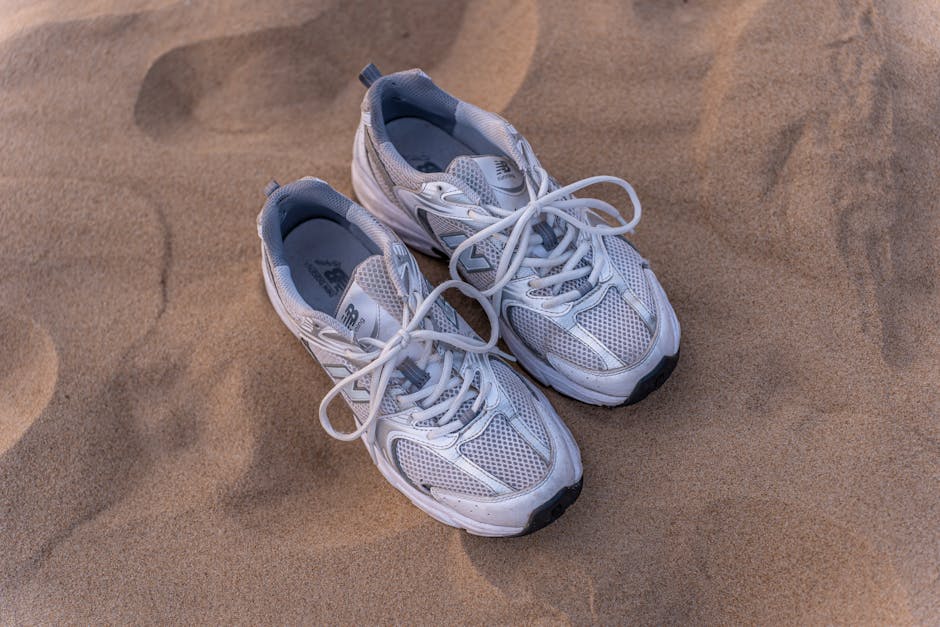 mid
- Cushioning: FuelCell
- Weight: 14 oz · Drop: 8 mm
- Cut: Mid · Width: Wide
- Best for: SF — All-Around
$112.57Price as of Nov 3, 2026, 14:42 UTC
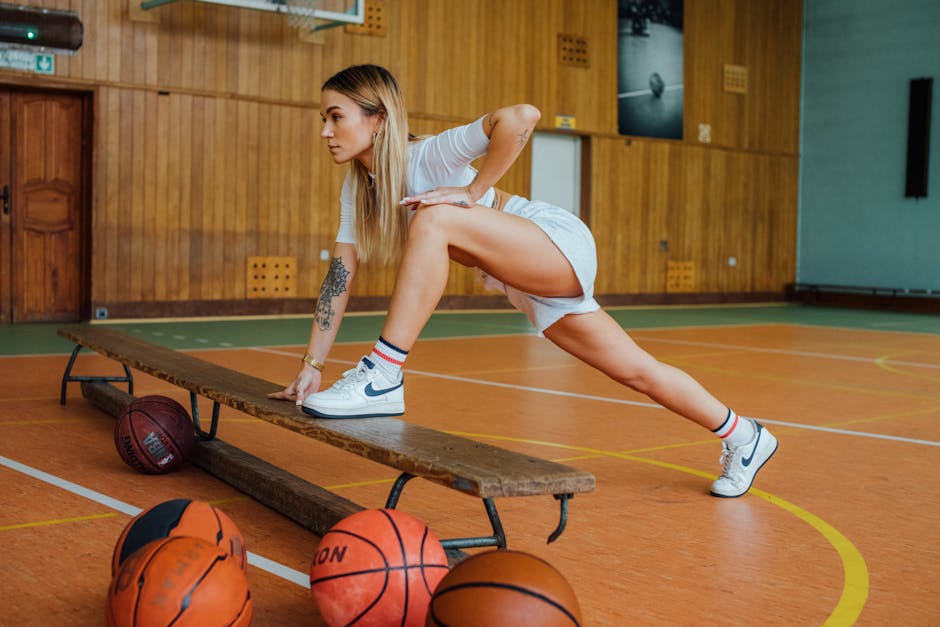 mid
Nike
Cosmic Unity 3
- Cushioning: ZoomX
- Weight: 13.3 oz · Drop: 9 mm
- Cut: Mid · Width: Wide
- Best for: SF/PF — All-Around
$126.47Price as of Nov 3, 2026, 14:42 UTC
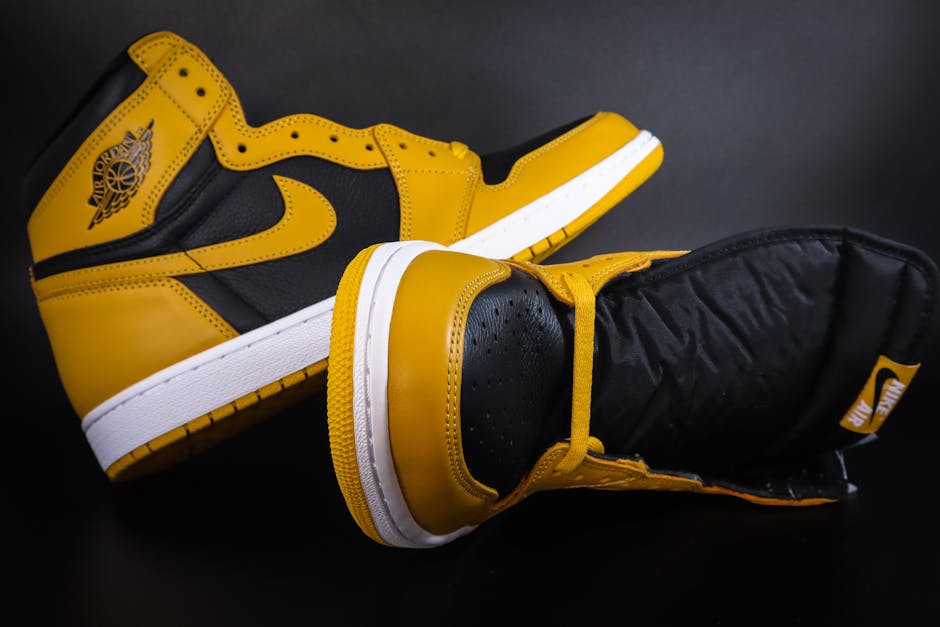 mid
- Cushioning: Formula 23 + Zoom Air
- Weight: 15.5 oz · Drop: 8 mm
- Cut: Mid · Width: Wide
- Best for: PF — Big-Man
$99.99Price as of Nov 3, 2026, 14:42 UTC
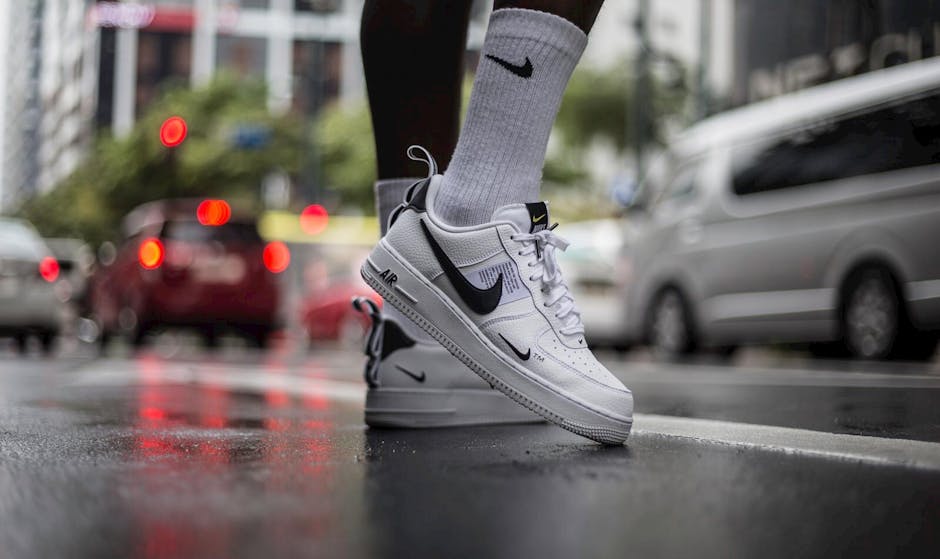 budget
Nike
Air Max Impact 4
- Cushioning: Air Max + Phylon
- Weight: 14.2 oz · Drop: 9 mm
- Cut: Mid · Width: Wide
- Best for: PF/C — Big-Man